What Is Koriandri?
Koriandri is a name that many people have not heard before, but the plant itself is something almost everyone has seen, smelled, or tasted at some point in their life. It is simply another way of referring to coriander, the beloved herb that grows in gardens, sits on kitchen shelves, and finds its way into dishes across every continent. The word koriandri comes from certain European languages, particularly Albanian, but it describes the very same plant that billions of people around the world depend on for flavor and fragrance every single day.
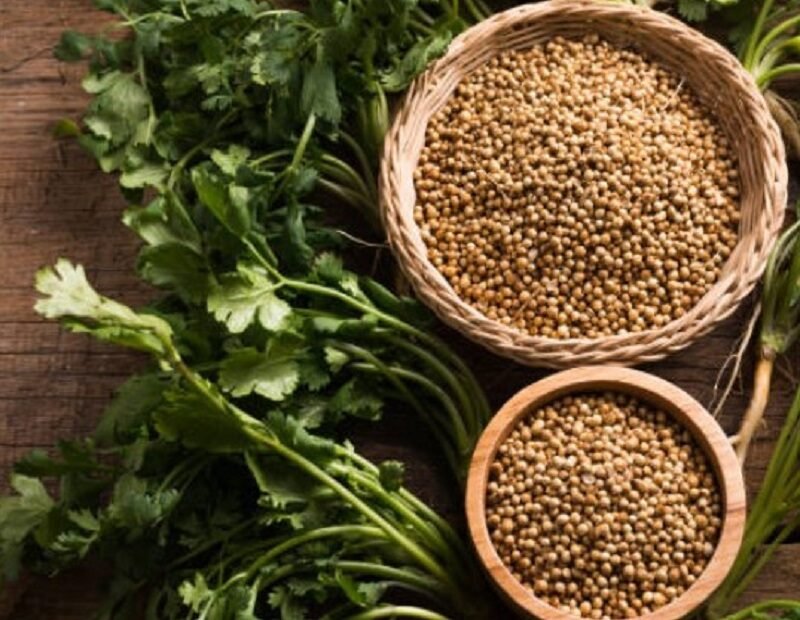
What makes koriandri truly special is that it is not just one ingredient but two in one. The fresh green leaves bring a bright and citrusy lift to any dish, while the small round seeds offer a completely different experience: warm, nutty, and deeply aromatic. Very few plants in the world can offer such contrasting flavors from a single source, which is exactly why koriandri has earned its place in kitchens from South Asia to South America for thousands of years.
| Feature | Details |
| Scientific Name | Coriandrum Sativum |
| Plant Family | Apiaceae |
| Common Names | Coriander, Cilantro, Dhania, Kuzbara |
| Edible Parts | Leaves, Stems, Seeds, Roots |
| Flavor (Leaves) | Fresh, Citrusy, Bright |
| Flavor (Seeds) | Warm, Nutty, Earthy |
| Origin | Mediterranean & North Africa |
| Used In | Cooking, Medicine, Gardening |
The Ancient History of Koriandri
Koriandri is not a modern discovery. It is one of the oldest herbs known to humanity, with roots stretching back more than 8,000 years. Long before supermarkets and spice aisles existed, ancient civilizations were already harvesting this remarkable plant for food, medicine, and even spiritual rituals. Its journey through time is a story of trade, culture, and human curiosity that spans every major civilization in history.
Koriandri in Ancient Egypt
One of the most fascinating pieces of evidence about koriandri comes from ancient Egypt. Coriander seeds were discovered inside the tomb of King Tutankhamun, proving that this herb was valuable enough to be buried alongside royalty. Egyptians believed it held protective and sacred properties, and it was also used in their daily cooking and medicinal practices.
Greeks, Romans and the Spread of Koriandri
The Greeks and Romans took koriandri beyond Egypt and made it a staple across Europe. Romans used it to preserve meat during long military campaigns and to flavor their bread. As the Roman Empire expanded, koriandri traveled with it, reaching regions that had never encountered the herb before.
Koriandri on the Silk Road
When ancient trade routes connected Asia, the Middle East, and Europe, koriandri was among the most traded goods. Merchants carried its seeds across deserts and mountains, introducing it to Indian, Chinese, and Persian cuisines where it quickly became irreplaceable.
How Koriandri Spread Through History:
| Era | Region | How It Was Used |
| 6000 BC | Mediterranean & North Africa | Food and healing rituals |
| 3000 BC | Ancient Egypt | Tomb offerings and daily cooking |
| 1000 BC | Greece and Rome | Meat preservation and bread flavoring |
| 500 BC | Persia and Middle East | Spice trade and medicinal use |
| 200 AD | India and China | Curries, broths and traditional medicine |
| 1500 AD | Americas | Brought by Spanish explorers |
Koriandri Around the World: Different Names, Same Magic
One of the most interesting things about koriandri is that no matter where you travel in the world, you will find it but you might not recognize it by the same name. Every culture that adopted this herb gave it their own name, their own way of using it, and their own special place in their cuisine. The names are different, the dishes are different, but the plant is exactly the same. This is what makes koriandri truly a global herb unlike any other.
Why Does Koriandri Have So Many Names?
The reason koriandri carries so many different names comes down to history and language. As the herb traveled through trade routes and migrations across centuries, each new culture adapted the word to fit their own tongue. In some regions the leaves and seeds even have completely separate names, which adds another layer of confusion for people encountering this herb for the first time.
Koriandri Names Around the World:
| Country / Region | Local Name | Part Most Used |
| Albania | Koriandri | Leaves and Seeds |
| India & Pakistan | Dhania | Leaves and Seeds |
| USA & Latin America | Cilantro (Leaves) / Coriander (Seeds) | Both Separately |
| Middle East | Kuzbara | Leaves and Seeds |
| China & Southeast Asia | Chinese Parsley | Leaves |
| UK & Europe | Coriander | Leaves and Seeds |
| Thailand | Pak Chee | Leaves and Roots |
| Mexico | Cilantro | Leaves |
How Different Cultures Use Koriandri
Even though the name changes from place to place, the love for koriandri remains consistent. What does change is how each culture brings out its best qualities in their own unique way.
- South Asia: Dhania is used in almost every dish. Fresh leaves are added as garnish on daal, biryani, and curries, while ground coriander seeds are a base ingredient in nearly every spice blend including garam masala and curry powder.
- Latin America: Cilantro is considered essential in Mexican cooking. It goes into salsas, guacamole, tacos, and is used heavily in street food culture where its fresh flavor cuts through rich and spicy ingredients.
- Middle East: Kuzbara appears in falafel, hummus, and grilled meat marinades. Both the leaves and seeds are used generously and the herb is considered a symbol of fresh, wholesome cooking.
- Southeast Asia: In countries like Thailand and Vietnam, koriandri leaves and even roots are added to soups, curry pastes, and noodle broths where they add a deep and complex layer of flavor.
- Europe: Coriander seeds are more popular than fresh leaves in European cooking. They appear in sausages, pickled vegetables, rye breads, and marinades, giving a warm spiced note to savory preparations.
Parts of the Koriandri Plant and Their Uses
Most people think of koriandri as just a garnish or a simple spice, but the truth is far more impressive. Koriandri is one of the very few plants in the world where every single part is edible and useful. From the tips of its delicate green leaves all the way down to its roots buried in the soil, each part of this plant carries its own unique flavor, aroma, and purpose. Understanding which part to use and when can completely transform the way you cook with koriandri.
1. The Leaves
The leaves are the most recognized and widely used part of the koriandri plant. They are bright green, soft, and slightly feathery in appearance. Their flavor is fresh, citrusy, and cooling which is why they are almost always added at the very end of cooking or used raw as a garnish. Cooking them for too long destroys their delicate aroma and turns them dull, so they work best when kept fresh and vibrant.
2. The Stems
Most home cooks throw the stems away without a second thought, but this is actually a mistake. Koriandri stems carry just as much flavor as the leaves, sometimes even more. They are slightly more intense and hold up better under heat, which makes them perfect for adding into sauces, chutneys, soups, and stir fries where a deeper herby flavor is needed. Finely chopping the stems and cooking them early in a recipe is a trick many professional chefs swear by.
3. The Seeds
Coriander seeds are essentially a completely different ingredient compared to the fresh leaves. Once the plant flowers and matures, it produces small round seeds that are harvested and dried. These seeds have a warm, nutty, and slightly sweet flavor with earthy undertones. They are used whole in pickling and tempering, or ground into powder for spice blends like garam masala, curry powder, and baharat. Dry roasting the seeds before grinding brings out an even deeper and richer aroma.
4. The Roots
Koriandri roots are the least known part outside of Southeast Asia, but in Thai and Vietnamese cooking they are considered incredibly valuable. The roots have the most concentrated and intense flavor of the entire plant, described as a deeper and earthier version of the leaves. They are typically pounded into curry pastes, added to broths, or used in marinades where a bold herby base is needed.
5. The Flowers
When koriandri is allowed to bolt and flower, it produces tiny white and pale pink blossoms. These flowers are edible and carry a mild version of the leaf flavor. They are often used as a delicate garnish on salads, desserts, and plated dishes in fine dining where both flavor and visual appeal matter.
Quick Reference: Koriandri Plant Parts:
| Plant Part | Flavor Profile | Best Used In | When to Add |
| Leaves | Fresh, Citrusy, Light | Garnish, Salads, Curries | End of cooking or raw |
| Stems | Intense, Herby | Soups, Chutneys, Stir Fries | Early in cooking |
| Seeds (Whole) | Warm, Nutty, Earthy | Pickling, Tempering, Spice Blends | Beginning of cooking |
| Seeds (Ground) | Warm, Slightly Sweet | Curry Powder, Garam Masala, Rubs | During cooking |
| Roots | Deep, Earthy, Bold | Curry Pastes, Broths, Marinades | Early in cooking |
| Flowers | Mild, Delicate | Garnish, Salads, Fine Dining | Raw only |
Koriandri in the Kitchen
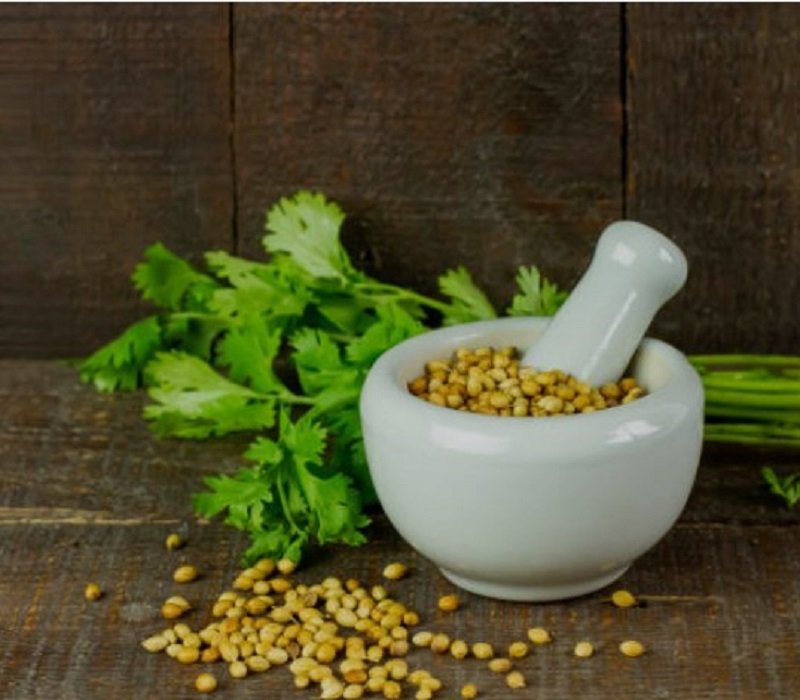
If there is one herb that truly belongs in every kitchen, it is koriandri. Its ability to adapt to almost any cooking style, cuisine, or flavor profile makes it unlike any other herb available. Whether you are making a simple weeknight curry, a fresh summer salad, or an elaborate spice blend for grilled meats, koriandri has a role to play. The key to using it well is understanding which form of the herb works best for which purpose and at what stage of cooking to add it.
Using Fresh Koriandri Leaves
Fresh leaves are the most versatile and commonly used form of koriandri in everyday cooking. Their bright citrusy flavor works best when heat is kept to a minimum, which is why experienced cooks almost always add them at the very end of a recipe or use them completely raw.
- Sprinkle generously over daal, biryani, and curries just before serving
- Toss into fresh salads for a burst of herby freshness
- Blend into chutneys and dipping sauces with green chilies and garlic
- Use as a topping for soups, noodle bowls, and tacos
- Mix into yogurt based dips like raita for a cooling side dish
Using Koriandri Seeds
Coriander seeds behave completely differently from the leaves and are treated more like a spice than a fresh herb. They are bold, warm, and deeply aromatic, which makes them perfect for dishes that cook low and slow.
- Dry roast whole seeds in a pan until fragrant, then grind fresh for maximum flavor
- Add whole seeds to pickling brines for vegetables and meats
- Use ground coriander as a base spice in curries, stews, and marinades
- Combine with cumin, turmeric, and chili to build classic South Asian spice blends
- Crush lightly and add to bread doughs and pastry crusts for a warm spiced note
Using Koriandri in Different Cuisines
South Asian Cooking: In Pakistani and Indian kitchens, koriandri is non negotiable. Ground coriander seed is a base ingredient in almost every curry, and fresh leaves are used so generously they are bought in large bunches rather than small packets. Dishes like chicken karahi, daal tadka, and aloo gosht would feel incomplete without a heavy handful of fresh dhania on top.
Mexican and Latin American Cooking: Cilantro is one of the defining flavors of Mexican cuisine. It goes into pico de gallo, salsa verde, guacamole, and is piled high on street tacos and grilled corn. Its fresh flavor cuts through rich meats and spicy sauces in a way no other herb can replicate.
Middle Eastern Cooking: In Middle Eastern kitchens, both the leaves and seeds of koriandri appear regularly. Ground coriander seasons falafel, kofta, and shawarma spice blends, while fresh leaves are stirred into fattoush salads and used as garnish on mezze platters.
Thai and Vietnamese Cooking: Southeast Asian cuisines use koriandri most creatively of all. Fresh leaves top pho and pad thai, roots are pounded into green curry paste, and stems are simmered into fragrant broths. The entire plant is utilized with nothing going to waste.
Health Benefits which You Didn’t Know About
Koriandri has been sitting on kitchen shelves for thousands of years, but most people have no idea just how powerful this little herb really is. Beyond its incredible flavor and aroma, koriandri is packed with nutrients, antioxidants, and natural compounds that have been used in traditional medicine for centuries. Modern science is now beginning to confirm what ancient healers already knew that this humble herb is far more than just a garnish.
Supports Healthy Digestion:
Koriandri has been used as a natural digestive aid for centuries. It stimulates the production of digestive enzymes and juices which helps the body break down food more efficiently. Regular use can help reduce bloating, ease stomach cramps, relieve gas, and improve overall gut comfort after meals.
Helps Regulate Blood Sugar Levels:
Studies suggest that koriandri seeds can help activate enzymes that remove sugar from the blood, making it a surprisingly useful herb for people who are mindful of their blood sugar. Traditional medicine systems in South Asia have recommended coriander seed water as a morning drink for this exact purpose for generations.
Rich in Powerful Antiox
Koriandri may help reduce levels of bad LDL cholesterol while simultaneously increasing good HDL cholesterol in the body. It also has mild diuretic properties which help the body flush out excess sodium, reducing water retention and supporting healthy blood pressure levels naturally.
Natural Detoxification Properties:
One of the lesser known but most impressive qualities of koriandri is its ability to help the body remove heavy metals and toxins. Certain compounds in the herb are believed to bind to heavy metal particles in the bloodstream and assist the body in eliminating them, which is why koriandri is often included in natural detox diets and cleanses.
Strengthens Immune Function:
Koriandri is a good source of Vitamin C, Vitamin K, and Vitamin A along with minerals like iron, magnesium, and potassium. These nutrients work together to strengthen the immune system, support bone health, improve blood clotting, and keep the body’s essential functions running smoothly on a daily basis.
May Improve Skin and Hair Health:
The antifungal and antibacterial properties found naturally in koriandri make it useful beyond the kitchen. In traditional remedies, coriander seed oil and leaf paste have been applied topically to treat skin irritation, reduce redness, and promote scalp health. Its anti-inflammatory compounds may also help calm conditions like eczema and mild acne over time.
Koriandri vs Cilantro: What Is the Difference?
A lot of people get confused between koriandri, cilantro, and coriander but the answer is actually very simple. All three refer to the exact same plant just different parts of it, used in different regions of the world with different names.
| Koriandri | Cilantro | Coriander | |
| What It Is | The full plant | Fresh green leaves only | Leaves or dried seeds |
| Where Used | Albania, Europe | USA, Mexico, Latin America | UK, Pakistan, India, Australia |
| Flavor | Both citrusy and warm | Fresh, citrusy, bright | Warm, nutty, earthy (seeds) |
| Used In | Everything | Tacos, salsas, garnish | Curries, spice blends, pickling |
| When to Add | Depends on part | End of cooking or raw | Early in cooking |
| Same Plant? | ✅ Yes | ✅ Yes | ✅ Yes |
How to Store it for Maximum Freshness
Koriandri is one of those herbs that loses its freshness very quickly if not stored properly. The good news is that with just a few simple steps you can keep it fresh, fragrant, and full of flavor for much longer than you would expect.
1. Storing Fresh Leaves
Fresh koriandri leaves are delicate and wilt fast at room temperature. The best way to store them is to trim the stems slightly, place the bunch in a glass or jar with a small amount of water at the bottom just like you would with flowers, and loosely cover the leaves with a plastic bag. Keep this in the refrigerator and your leaves will stay fresh and vibrant for up to two weeks. Change the water every two to three days for best results.
2. Storing Coriander Seeds
Whole coriander seeds are much easier to store than fresh leaves. Keep them in an airtight glass jar away from direct sunlight, heat, and moisture. A cool dark cupboard or pantry shelf is the ideal spot. Stored this way, whole seeds will hold their aroma and flavor for up to one full year. Always buy whole seeds and grind them fresh as needed rather than buying pre ground powder, as ground coriander loses its potency much faster.
3. Freezing Koriandri for Long Term Storage
If you have a large amount of fresh koriandri and cannot use it all quickly, freezing is your best option. Wash and dry the leaves thoroughly, chop them finely, and pack them into ice cube trays with a little water or olive oil. Once frozen solid, transfer the cubes into a zip lock bag and store in the freezer for up to three months. Simply drop a cube directly into soups, curries, or sauces whenever needed without thawing.
Discover similar articles here: https://boostframemedia.com/category/lifestyle/
Conclusion
Koriandri is truly one of those rare herbs that does it all. From ancient Egyptian tombs to modern kitchens across every continent, this incredible plant has stood the test of time for thousands of years and for very good reason. Whether you use it as fresh leaves on top of a steaming bowl of curry, ground seeds in a rich spice blend, or a simple homemade chutney, koriandri never fails to deliver flavor, fragrance, and nutrition all at once. Now that you know everything about this remarkable herb, it is time to stop taking your dhania for granted and start appreciating the magic it brings to every single dish.
Frequently Asked Questions About Koriandri
Q1. Is koriandri and coriander the same thing?
Yes, koriandri is simply another name for coriander. Both refer to the same plant Coriandrum sativum. The word koriandri is used in Albanian and some European languages but describes the exact same herb.
Q2. Can I eat koriandri every day?
Yes, koriandri is completely safe to consume daily in normal cooking amounts. In fact regular use can support digestion, boost immunity, and provide essential vitamins and minerals to the body.
Q3. Why does cilantro taste like soap to some people?
This is caused by a specific gene variant that makes certain people highly sensitive to aldehyde compounds naturally found in fresh coriander leaves. It is a genetic trait and not a matter of taste preference.
Q4. Which part of koriandri is healthiest?
All parts of the koriandri plant carry nutritional value. The fresh leaves are rich in Vitamins A, C, and K while the seeds are particularly beneficial for digestion, blood sugar regulation, and heart health.
Q5. How long do fresh koriandri leaves last in the fridge?
When stored properly in a jar of water covered loosely with a plastic bag, fresh koriandri leaves can stay fresh in the refrigerator for up to two weeks.
Q6. Can I substitute coriander seeds with fresh koriandri leaves?
No, they cannot be substituted for each other because their flavors are completely different. Fresh leaves are bright and citrusy while seeds are warm and nutty. Each serves a different purpose in cooking.